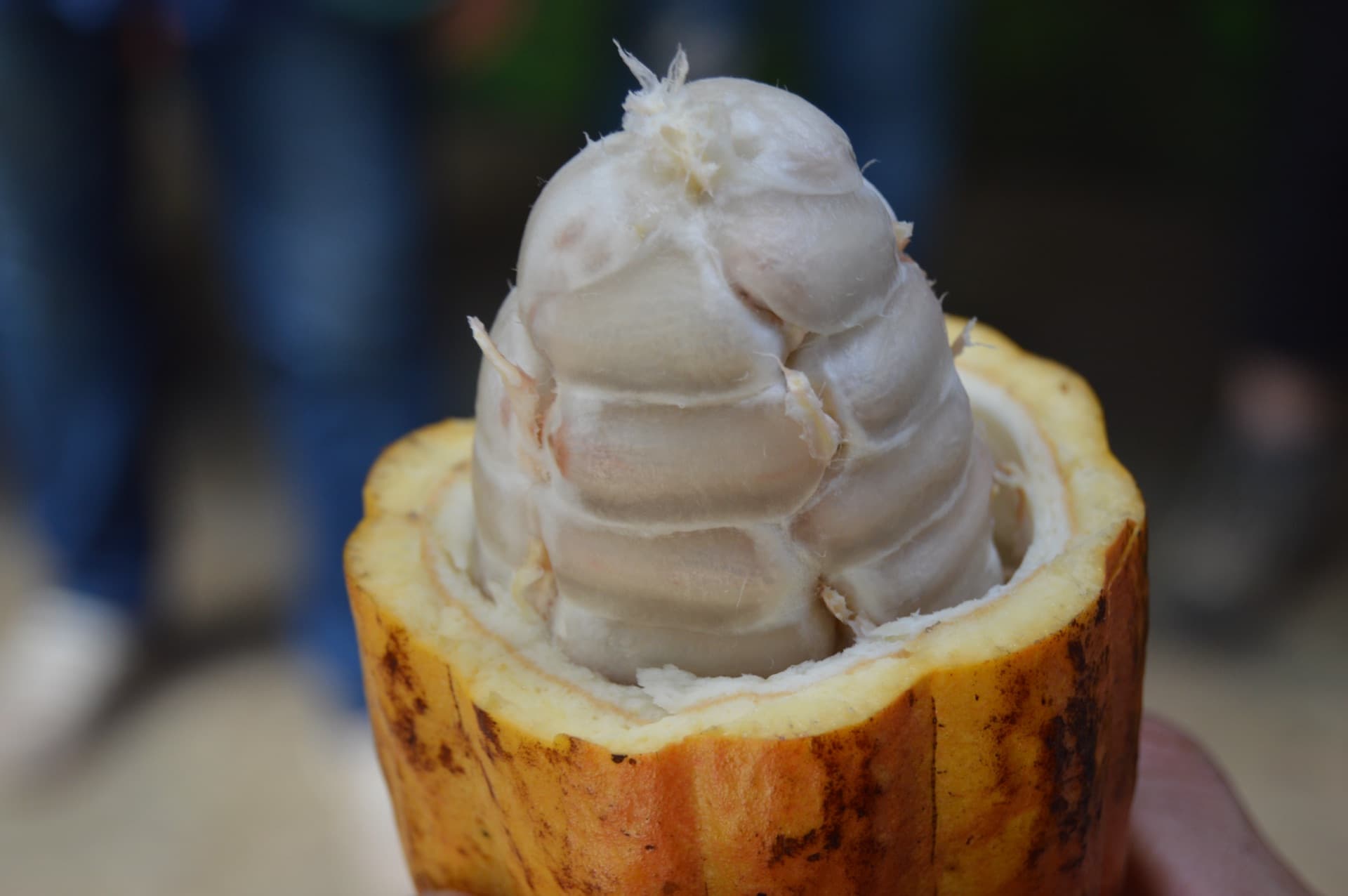
Discover the Power of Cacao Juice
The superfruit beverage that's revolutionizing wellness
Learn everything about cacao juice - from its incredible health benefits to how you can enjoy this antioxidant-rich drink that's taking the world by storm.
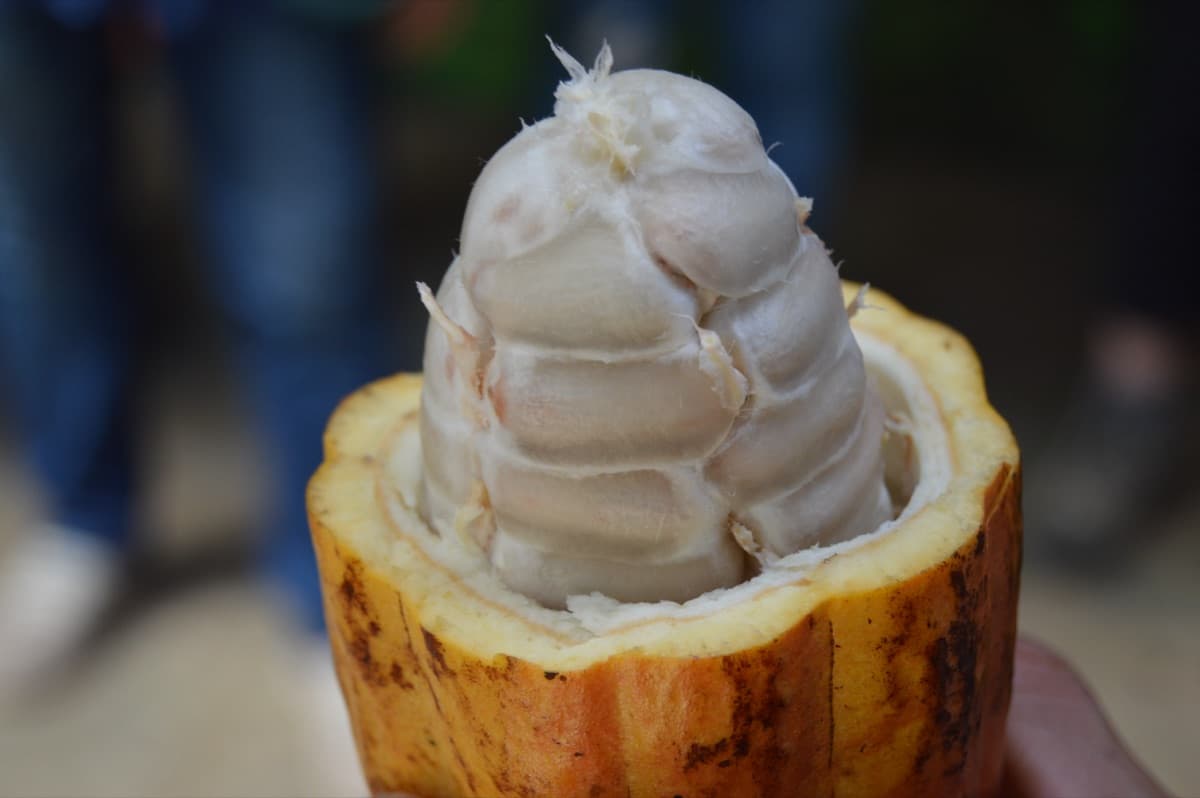
What is Cacao Juice?
Cacao juice is a refreshing beverage made from the white pulp surrounding cacao beans inside the cacao pod. Unlike chocolate or cocoa powder, which come from the fermented and roasted beans, cacao juice is extracted from the fresh fruit pulp, offering a completely different taste profile and nutritional benefits.
This tropical superfruit juice has a unique flavor profile - naturally sweet with hints of citrus, lychee, and pear. It's been enjoyed for centuries in cacao-growing regions but is only now gaining global recognition as a health beverage.
The juice is 100% natural and naturally caffeine-free, containing theobromine — a gentler relative of caffeine. It also naturally contains antioxidants, vitamins, and minerals from the fresh fruit.

What's in Cacao Juice
A Closer Look at the Cacao Fruit
Natural Antioxidants
Cacao fruit naturally contains polyphenol antioxidants, a group of plant compounds widely studied in cocoa research.
Caffeine-Free by Nature
Cacao juice is naturally caffeine-free. It contains theobromine, a gentler relative of caffeine found throughout the cacao plant.
Plant Flavonoids
A natural source of cocoa flavonoids. Note that the authorised cocoa-flavanol heart-health claim applies to concentrated extracts, not to the juice.
Contains Vitamin C
Cacao juice naturally contains vitamin C along with other phytonutrients from the fresh fruit.
Naturally Light
A naturally sweet, fruity juice with no need for added sugar — typically around 40–60 calories per serving.
Feel-Good Flavour
A bright, tropical taste — somewhere between lychee, citrus and pear — enjoyed on its own or in recipes.
This information is general and educational. It is not a health claim about any product, and these statements have not been evaluated by the FDA. Cacao juice is a food, not a medicine; nutritional benefits depend on the specific product.
From Pod to Pour
The Journey of Cacao Juice
Harvesting
Ripe cacao pods are carefully harvested from cacao trees in tropical regions.
Extraction
Pods are opened and the white pulp is separated from the cacao beans.
Processing
The pulp is cold-pressed to extract the pure juice while preserving nutrients.
Filtration
Juice is filtered and pasteurized to ensure safety while maintaining quality.
Packaging
Fresh juice is bottled in sustainable packaging to reach consumers worldwide.

Frequently Asked Questions
Cacao juice has a refreshing tropical flavor with notes of lychee, citrus, and pear. It's naturally sweet without added sugars and tastes nothing like chocolate - it's light, fruity, and incredibly refreshing.
No. Cacao juice comes from the white pulp of the cacao fruit, while chocolate comes from the roasted beans inside. The juice is a clear to light amber beverage with a fruity taste, completely different from chocolate's rich, bitter profile.
Cacao juice is naturally caffeine-free but contains theobromine, which provides gentle, sustained energy without the jitters or crashes associated with caffeine. It's a great alternative for those sensitive to caffeine.
Most people enjoy 1-2 servings (8-16oz) per day. Cacao juice is low in calories (typically 40-60 per serving) and safe for regular consumption. It's a healthy addition to any balanced diet.
Fresh cacao pods are required, which are only available in tropical regions like Ecuador, Ghana, and Ivory Coast. Most people purchase ready-made cacao juice from specialty brands. If you do find fresh pods, simply scoop out the white pulp and blend with water.
Cacao juice is available at health food stores like Whole Foods, specialty beverage retailers, and online through Amazon and brand websites. Popular brands include Blue Stripes, Pacha de Cacao, and Koa.
Cacao juice naturally contains plant antioxidants (flavonoids and polyphenols), vitamin C, magnesium, and potassium, plus theobromine — a gentle, caffeine-free compound. Exact amounts vary by brand, so check the label.
Many people enjoy cacao juice after exercise: it's naturally caffeine-free, hydrating, and contains electrolytes like potassium and magnesium. It's a food rather than a sports supplement, so treat it as a tasty natural option rather than a performance product.
Cacao juice and cacao water are essentially the same product - both come from the pulp of the cacao fruit. Some brands use 'cacao water' to emphasize its hydrating properties, while others use 'cacao juice' to highlight its fruit origin.
Yes! Cacao juice is made from the fruit pulp that was traditionally discarded during chocolate production. By using this 'waste' product, cacao juice creates additional income for farmers and reduces food waste in the cacao industry.

Sustainable & Ethical
For generations, only the beans inside the cacao pod made it into chocolate, while the surrounding pulp and husk — roughly 70% of the fruit — were left to rot. Cacao juice flips that story by upcycling the sweet pulp that was once discarded.
By choosing cacao juice, you're supporting:
- Upcycling that turns previously wasted pulp into a product: an estimated ~120,000 tonnes of cacao pulp were used for beverages in 2025, up from around ~48,000 tonnes in 2021
- An extra income stream for cacao farmers, who can now sell the pulp alongside the beans
- A circular economy that cuts food waste at origin (for example, Koa, a leading pulp upcycler, sources its cacao in Ghana)
- Greater traceability in cacao supply chains, aligned with the EU Deforestation Regulation (EUDR)
Less Waste at Origin
Cacao juice is made from the sweet pulp that chocolate production has historically discarded — roughly 70% of the fruit.
Extra Income for Farmers
Selling the pulp alongside the beans lets cacao-growing communities earn more from the same harvest.
Traceable Supply Chains
Demand for the whole fruit rewards traceability and agroforestry, in line with the EU Deforestation Regulation (EUDR).
Discover Cacao Juice Brands
Explore the thriving world of cacao juice producers transforming agricultural waste into premium beverages
Quick Brand Comparison
| Brand | Type | Availability | Notable Feature |
|---|---|---|---|
| Blue Stripes | Cacao Water | US, Amazon, Whole Foods | Most Innovative 2025 (Fast Co.) |
| Pacha de Cacao | Cacao Juice | Global, Amazon | 42% Cacao Pulp |
| Koa | Juice & Flakes | EU, B2B Supply | B-Corp Certified |
| WowCacao | Still & Sparkling | UK | Hydration & recovery |
| bevCacao | Blended Juice | US, Amazon, Walmart | Cacao juice blends |
| Kumasi Drinks | Still & Sparkling | EU retail | Ghana-sourced |
Blue Stripes
Named to Fast Company's Most Innovative Companies list (2025). Raised a $20M Series B in 2024 (investors include Hershey and Whole Foods). Its cacao water saw +481% retail dollar-sales growth in the 52 weeks to Dec 2023 (Circana).
Visit WebsitePacha de Cacao
Global leader since 2020. 42% Ecuadorian cacao pulp creating tropical flavors. Expanding from Netherlands to US markets.
Visit WebsiteKumasi Drinks
Dutch brand of 100% natural cacao juice sourced from Ghanaian farmers, with growing European retail distribution. Offers Sappi (still) and Gassi (sparkling).
Visit WebsiteKoa
Ghanaian-Swiss B-Corp offering pure juice, concentrates, and flakes with QR traceability. Leading ingredient supplier globally.
Visit WebsiteWowCacao
UK brand of cacao fruit drinks positioned around hydration and recovery, available in still and sparkling options.
Visit WebsitebevCacao
US brand of cacao juice blends, distributed via Amazon and selected retailers.
Visit WebsiteOther Notable Brands
Xoca
First prebiotic soda made with cacaofruit. Slightly fermented beverages focused on gut health benefits.
Kaoba
UK startup producing sparkling cacaofruit sodas using cold-pressed pulp and carbonated spring water.
Bantu Chocolate
Cameroon farm-to-bottle producer. Award-winning 'Boocha' cacao pulp kombucha. Ships to UK, US, and Canada.
Repurposed Pod
The very first 100% cacao juice since 2014. Cold-pressed Ecuadorian cacao available on Amazon.
Revival Cacao
Mexican company restoring local cacao industry. Produces pulp products from Tabasco, Chiapas, and Oaxaca.
Cabosse Naturals
Barry Callebaut's B2B division offering Upcycled Certified juice, concentrate, and powder globally. Holds the US FDA GRAS notice (GRN 947) for cacao pulp and juice.
Majus
German brand of cacao fruit juice drinks, among the first dedicated cacao-juice labels in the German-speaking market (online at ma-jus.de).
These are independent brands not affiliated with this website. Links open in new windows.
Cacao Growers We Admire
Cacao juice is a small, growing world. We love to point people toward independent growers doing beautiful work at origin.
These are independent producers, not affiliated with this website. Links open in new windows.
The Cacao Juice Opportunity
Join the Fastest Growing Segment in Functional Beverages
Market Insights
The cacao juice market represents one of the more interesting opportunities in the beverage industry. As consumers seek healthier, sustainable alternatives to traditional drinks, cacao juice stands out as a premium option that delivers on taste, nutrition, and ethics. (Market figures above are broad third-party estimates for the wider cocoa-fruit-drinks category and likely overstate the pure cacao-juice niche.)
Whether you're looking to import and distribute, create your own brand, or invest in cacao juice production, the market is ripe with opportunity. The combination of health trends, sustainability focus, and novel experience creates a perfect storm for growth.
Explore the Wiki
Dive deeper into the science and benefits of cacao juice
What Is Cacao Juice?
Everything you need to know about this tropical superfruit beverage — from origin to taste profile.
Read ArticleAntioxidants in Cacao Fruit
What the polyphenol antioxidants in cacao fruit are, and what cocoa research has explored about them.
Read ArticleCardiovascular Benefits
What cocoa research has explored about flavanols and circulation — and why the juice differs from concentrated cocoa extracts.
Read ArticleTheobromine vs Caffeine
The natural energy compound in cacao juice that provides sustained focus without the jitters.
Read ArticleGet in Touch
Have questions about cacao juice? We'd love to hear from you.
Prefer email? Reach us directly at info@cacaojuice.com